


The Syrian future amid dangerous … extend beyond the borders of Lebanon and Syria …

Middle East Times Int’l: Syria, after the fall of Bashar al-Assad, regardless of the causes and circumstances leading to this pivotal event, has taken centre stage in the international and regional political arena. This prominent position is expected to endure, as the country grapples with multifaceted challenges during this transitional phase, a reality that has attracted the attention of various global and regional players invested in its outcome.
As international, regional, and Arab powers vie for influence, it becomes clear that managing Syria’s reconstruction and political future will require strategic planning and cooperation. Without such efforts, the country risks becoming a theatre for unregulated conflicts and competing agendas, potentially exacerbating instability. This scenario explains the surge in diplomatic activities, international engagements, and Arab-led initiatives aimed at fostering dialogue. Simultaneously, Turkey has assumed a crucial role as a central actor, leveraging its geopolitical position to influence developments. Ankara’s significance has prompted numerous visits by Lebanese political figures and religious leaders, reflecting its perceived authority in shaping regional dynamics.
President Najib Mikati’s recent visit to Ankara exemplifies this trend. His discussions reportedly provided valuable insights into the unfolding realities in Syria and offered an opportunity to explore avenues for collaboration. These efforts are being paralleled by a significant US diplomatic initiative. Barbara Leaf, a senior American diplomat, is leading a delegation to Damascus for high-level discussions with Ahmed al-Sharaa (al-Julani). The talks are aimed at redefining US-Syrian relations following years of estrangement marked by intermittent, albeit incomplete, progress. Leaf’s objective is to establish a constructive rapport with the emerging leadership in Damascus, especially as longstanding privileges previously afforded to Moscow and Tehran have diminished in significance.
The international community, led by figures such as Geir Pedersen, the UN Special Envoy to Syria, has expressed cautious optimism about Syria’s prospects. Pedersen’s statements emphasise the importance of transparent governance and inclusive political processes as prerequisites for long-term stability. Similarly, French President Emmanuel Macron has demonstrated a renewed interest in Syria, signalling his desire to reopen France’s embassy in Damascus. Macron’s approach reflects broader European ambitions to rebuild ties with Syria, a nation historically connected to France since the mandate period.
However, challenges remain. Observers in Paris and beyond are sceptical about the ability of Syria’s emerging leadership to draft a constitution that ensures civil governance, respects pluralism, and protects minority rights. Despite concerted efforts by representatives of various religious and sectarian communities to pledge inclusivity, doubts persist about the feasibility of these assurances amidst the complexities of Syria’s diverse society.
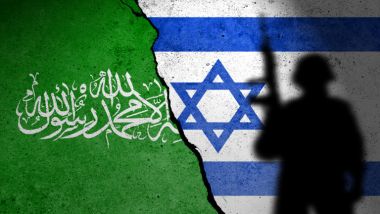
The Kurdish population’s role in Syria’s post-Assad political structure is among the critical questions that remain unanswered. Their integration will be a major determinant of stability in the country. At the same time, the new Syrian leadership’s approach to normalisation with Israel will be closely scrutinised, particularly concerning the Golan Heights and the Israeli military presence on Syrian territory, including Mount Hermon. Another pressing issue is the future of Palestinian factions in Syria. Should these groups be disarmed and expelled, the potential repercussions – especially in Lebanon – could further complicate regional dynamics.
The Islamic character of Syria’s revolution also raises concerns about its influence on Sunni communities in Lebanon. The emergence of new forces, the repositioning of existing groups, and the decline of others could reshape the political and sectarian landscape in unpredictable ways. Furthermore, the future of Lebanon-Syria relations is a pivotal consideration. It remains to be seen whether these ties will be recalibrated through a new framework prioritising sovereignty and independence or whether diplomatic relations alone will suffice to manage bilateral interactions.
The recent sermon by Greek Orthodox Patriarch John X Yazigi, delivered in the Church of the Cross on Sunday, 15 December 2024, underscored the importance of unity and inclusivity. His remarks served as a reminder that Syria’s identity encompasses a rich mosaic of religious, sectarian, and ethnic diversity, which must be preserved and respected to foster a cohesive society.
Reports from Western circles suggest that while the initial transition in Syria has unfolded relatively smoothly, significant uncertainties linger. Concerns over the influence of extremist groups, the future treatment of minorities, and the overall trajectory of governance remain at the forefront of international discourse. Efforts to reassure global stakeholders are ongoing, but they face inherent challenges, particularly in addressing apprehensions related to the intentions and actions of Islamist factions seeking a role in the post-Assad landscape.
A former Lebanese minister aptly summarised the delicate balance of reassurance needed in this context: “It is not enough to tell a person not to be afraid. You must act in ways that do not provoke fear, intentionally or unintentionally.”
The broader Middle East remains volatile, with developments in Syria reverberating across neighbouring states. The answers to these questions, coupled with proactive international and regional engagement, will play a pivotal role in shaping not only Syria’s future but also the stability of the region as a whole.